PTSD & Hypothyroidism Link
Many with PTSD also face hypothyroidism. This post examines the gut-brain no, hormonal ties, symptoms, and practical steps to address both conditions…
On this page
Imagine feeling exhausted all the time, struggling with weight gain, and battling brain fog. These issues often signal hypothyroidism, a condition where the thyroid gland fails to produce enough hormones. For those living with PTSD, this comorbidity appears more often than chance would suggest.
Research highlights a clear association. A study published by the National Center for Biotechnology Information shows that people with PTSD have higher rates of thyroid dysfunction, particularly low thyroid hormone levels.
What is Hypothyroidism?
The thyroid gland sits in the neck and regulates metabolism, energy, and mood through hormones like T4 and T3. When underactive, it leads to slowed bodily functions. Common signs include fatigue, cold sensitivity, dry skin, hair loss, and constipation.
In Australia, about 1 in 20 women and 1 in 100 men experience it, per health data. But for PTSD sufferers, the risk climbs due to chronic stress impacts on the endocrine system.
The PTSD-Hypothyroidism Connection
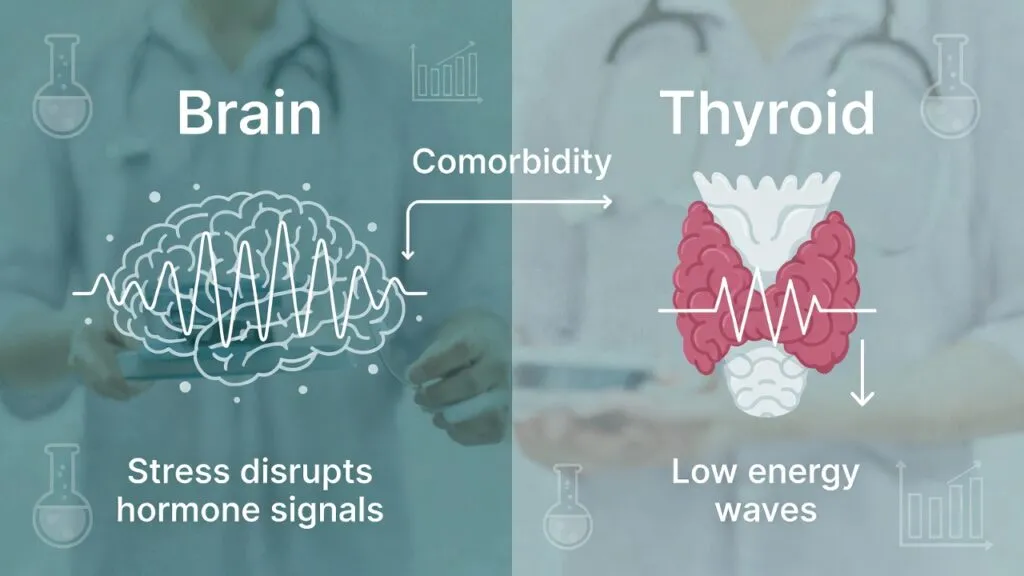
Chronic stress from PTSD disrupts the hypothalamic-pituitary-adrenal (HPA) axis, which influences thyroid function. Prolonged cortisol elevation can suppress thyroid-stimulating hormone (TSH), leading to imbalance.
Inflammation plays a role too. PTSD correlates with higher inflammatory markers that affect thyroid tissue. Autoimmune forms like Hashimoto’s thyroiditis show up more in trauma histories.
Overlapping Symptoms to Watch For
Symptoms can mimic or worsen PTSD effects:
- Persistent tiredness that rest does not fix
- Difficulty concentrating or memory lapses
- Unexpected weight changes
- Mood dips like depression or irritability
- Muscle aches and joint stiffness
- Slower heart rate and feeling chilly
Spotting these helps differentiate and treat both issues.
Diagnosis: Getting the Full Picture
See your GP for blood tests measuring TSH, free T4, and T3. Antibodies tests detect autoimmune causes. Since PTSD can skew results, repeat testing might be needed.
Discuss your trauma history openly. It guides holistic care.
Managing Both Conditions
Treatment starts with levothyroxine to replace missing hormones. Regular monitoring ensures correct dosing. Lifestyle tweaks support recovery:
- Eat nutrient-rich foods with iodine, selenium, and zinc – think seafood, nuts, and greens
- Move regularly with walks or gentle exercise
- Prioritise consistent sleep routines
- Reduce processed foods and excess sugar
For deeper insights, check resources from the Mayo Clinic on hypothyroidism management.
Longer-Term Strategies
Work with an endocrinologist alongside mental health support. Track symptoms in a journal to spot patterns. Some benefit from selenium supplements, but consult first.
The Thyroid Foundation of Australia offers local advice and support groups.
Moving Forward
Recognising the PTSD-hypothyroidism link empowers better health. Early action reduces complications like heart issues or worsened mental health. You deserve vitality – take that step today.
Consult professionals for personalised plans. Small changes build lasting wellbeing.
Related articles
 Comorbid Conditions
 PTSD and Tinnitus: Why the Ringing Won't Settle
PTSD and tinnitus often occur together. Learn why trauma keeps the ringing loud, and what genuinely helps quieten the alarm.
 Comorbid Conditions
 PTSD and Sleep Apnoea: A Two-Way Problem
PTSD and obstructive sleep apnoea share overlapping biology that makes each condition harder to treat. Understanding this two-way relationship could change how…
 Comorbid Conditions
 PTSD and Chronic Inflammation: The Immune Link
PTSD doesn’t just affect your mind—it fundamentally alters how your immune system functions. Explore the cytokine-inflammation connection linking trauma to…
Need support right now?
If things feel overwhelming, you don't have to sit with it alone. These Australian services are free, confidential, and available day and night.
- Emergency services 000
- Lifeline Australia 13 11 14
- Beyond Blue 1300 22 4636
- 13YARN 13 92 76