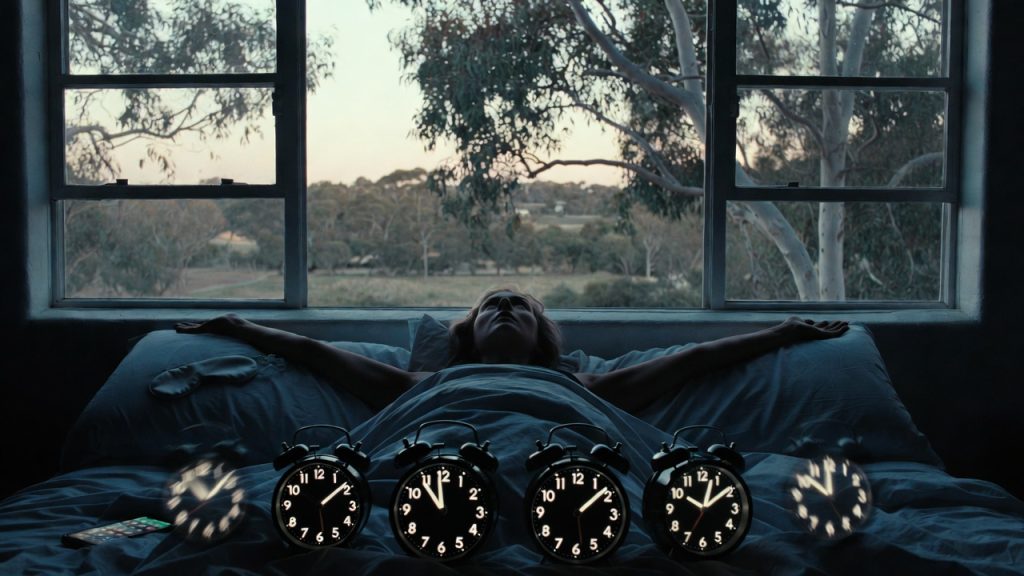
Sleep plays a vital role in our overall health, yet for those living with post-traumatic stress disorder (PTSD), it often becomes a battleground rather than a refuge. Did you know that disrupted sleep can intensify PTSD symptoms, creating a cycle that feels almost impossible to break? In this article, we delve into the causes of sleep disturbances in PTSD, their impacts, and practical strategies to manage them. By understanding these patterns, you can take steps towards better rest and improved well-being.
PTSD arises from exposure to traumatic events, such as combat, accidents, or assaults, leading to ongoing emotional and physical responses. One of the most common challenges is sleep disturbance, which affects up to 90 per cent of individuals with the disorder. These issues go beyond simple tiredness; they stem from the brain’s heightened state of alertness, where the fight-or-flight response lingers long after the danger has passed. Think of it like a smoke alarm that keeps blaring even when the fire is out, it disrupts everything around it.
Understanding the Causes of Sleep Disturbances in PTSD
To address sleep problems, it helps to first identify their roots. PTSD alters brain chemistry and structure, particularly in areas like the amygdala and hippocampus, which regulate fear and memory. This leads to several specific causes of sleep disruption.
- Nightmares and Flashbacks: These are vivid, distressing replays of the trauma that invade sleep. They often occur during rapid eye movement (REM) stages, waking you in a state of panic. For instance, a survivor of a car crash might relive the impact night after night, leaving them exhausted and fearful of bedtime.
- Hyperarousal and Insomnia: The body’s constant vigilance makes relaxation difficult. Symptoms include racing thoughts, sensitivity to noise, and an inability to fall or stay asleep. Research from the National Center for PTSD highlights how this hyperarousal stems from elevated stress hormones like cortisol, which keep the nervous system on edge.
- Avoidance Behaviours: Many avoid sleep to dodge nightmares, leading to irregular patterns. This might involve staying up late or using substances, which only worsens the issue over time.
- Co-occurring Conditions: Depression or anxiety often accompany PTSD, adding layers like restless legs or sleep apnoea. A study from the National Institutes of Health notes that periodic limb movements and disruptive behaviours are common, further fragmenting rest.
These causes create a feedback loop where poor sleep heightens PTSD symptoms, such as irritability and concentration difficulties, making daily life more challenging.
The Effects of Sleep Disturbances on Daily Life
The repercussions extend far beyond the night. Chronic sleep loss impairs cognitive function, much like fogging up a window so you cannot see clearly. It can lead to daytime fatigue, mood swings, and weakened immune responses. For those with PTSD, this exacerbates feelings of isolation and hopelessness.
In professional settings, it might mean reduced productivity or errors at work. Socially, it strains relationships, as exhaustion reduces patience and engagement. Physically, ongoing deprivation raises risks for heart disease and diabetes. As one forum member shared in a discussion on PTSD sundowning, symptoms often worsen as evening approaches, mirroring dementia-like patterns where rest becomes elusive. This post on MyPTSD.com illustrates how many experience intensified anxiety at dusk, highlighting the need for targeted support.
Moreover, poor sleep hinders therapy progress. Techniques like cognitive behavioural therapy rely on a rested mind to process traumas effectively. Without addressing sleep, recovery stalls.
Effective Coping Strategies for Better Sleep
The good news is that sleep disturbances in PTSD are manageable with consistent effort. These strategies draw from evidence-based approaches and can be adapted to your routine. Remember, mastery takes time, often months or years, but persistence pays off.
- Establish a Sleep Routine: Create consistency by going to bed and waking at the same times daily. Avoid screens an hour before bed, as blue light suppresses melatonin. Instead, try reading or gentle stretching.
- Cognitive Behavioural Therapy for Insomnia (CBT-I): This tailored therapy challenges negative sleep thoughts and promotes habits like stimulus control, where the bed is used only for sleep. The Sleep Health Foundation recommends it as a first-line treatment, noting its success in restructuring sleep patterns.
- Grounding Techniques for Nightmares: When awakened by a dream, use sensory anchors like naming five things you can see or feel. Imagery rehearsal therapy, where you rewrite nightmare scripts during the day, has shown promise in reducing their frequency, according to resources from the Sleep Foundation.
- Relaxation Practices: Incorporate mindfulness or progressive muscle relaxation. Breathe deeply, tensing and releasing muscles from toes to head. Apps or guided sessions can help beginners.
- Lifestyle Adjustments: Limit caffeine after noon and exercise earlier in the day. A calm environment, dark and cool, supports rest. If needed, consult a doctor about short-term aids, but avoid long-term reliance.
- Seek Professional Support: Therapy like eye movement desensitisation and reprocessing (EMDR) addresses root traumas, indirectly improving sleep. Support groups, online or in-person, provide shared experiences and tips.
Integrating these requires patience. Start small, perhaps with one strategy, and track progress in a journal. Over time, better sleep reinforces resilience, breaking the cycle of disturbance.
In conclusion, sleep disturbances in PTSD are a significant hurdle, but they do not define your journey. By recognising causes and applying coping strategies, you reclaim control. Resources like the VA’s PTSD site offer further tools for those navigating this path. Remember, seeking help is a strength, not a weakness. With time and practice, restful nights become achievable, paving the way for brighter days.