Why Your Body Gets Stuck in Threat Mode
PTSD doesn’t just change your thoughts – it rewires how your body perceives danger. Your brain’s threat-detection system becomes hypersensitive, treating ordinary situations as life-threatening. This creates a cycle where your body remains locked in defensive mode, even when you’re genuinely safe. Breaking this pattern requires more than talk; it requires physical intervention.
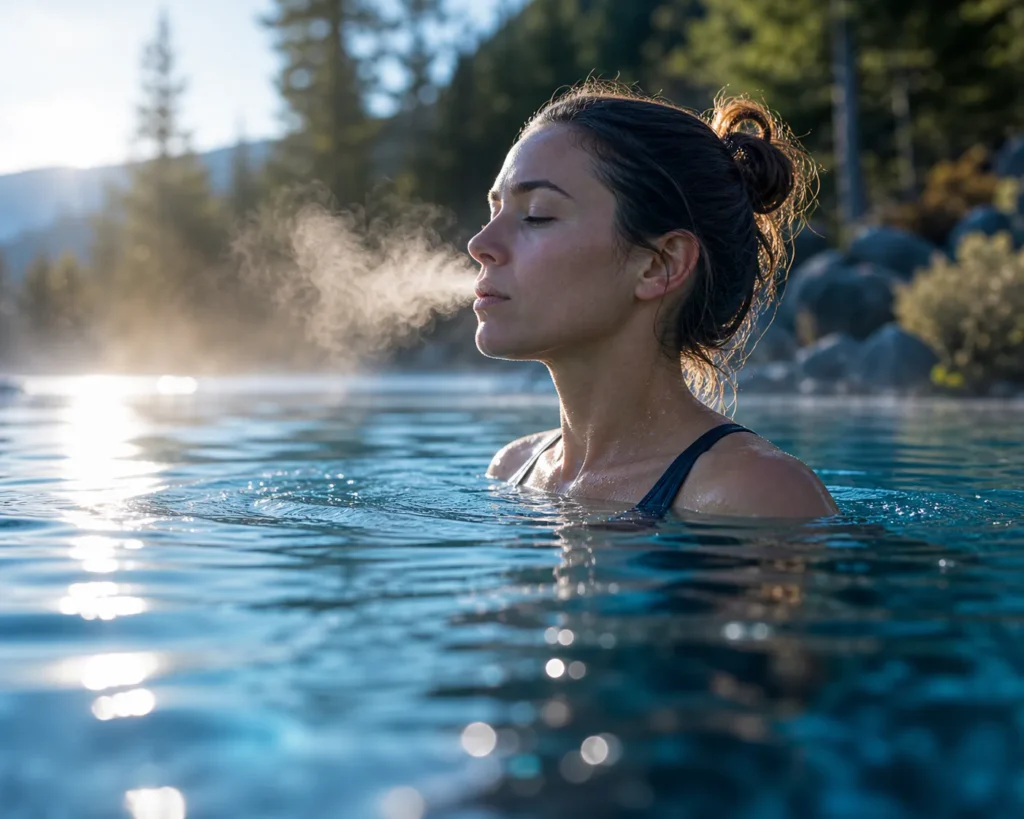
One emerging approach gaining attention in trauma research is cold water immersion. Rather than a trendy wellness hack, controlled cold exposure operates on a specific biological principle: it activates a natural recovery response that directly opposes the threat state your body is trapped in.
How Cold Exposure Interrupts the Threat Cycle
When you immerse yourself in cold water (typically 10-15 degrees Celsius for 1-3 minutes), your body activates what’s called the cold shock response. Initially, this feels stressful – your breathing quickens, your heart rate rises. But here’s the crucial part: your body then activates a counter-response, a deep parasympathetic activation that brings you back to calm. This natural recovery is exactly what PTSD prevents from happening naturally.
Research on cold water immersion shows it can increase vagal tone and promote parasympathetic activation, the biological opposite of the threat state. Over time, repeated controlled exposure teaches your nervous system that you can face something challenging and recover – a core skill PTSD survivors need to rebuild.
The mechanism works differently from traditional relaxation techniques. Instead of trying to calm down directly, you’re deliberately activating a mild stressor, then allowing your body to naturally recover. This mimics what trauma therapy aims for: teaching your system that activation doesn’t mean danger, and that recovery is possible.
Starting Safely with Cold Exposure
Cold water immersion isn’t about toughening up or proving yourself. It’s a structured practice that requires careful progression, especially for trauma survivors.
- Begin with contrast showers: alternate 20 seconds of cold water with warm water, starting with warm and ending with cold. This gentler approach helps your body adapt without overwhelming your system.
- Progress to dedicated cold immersion only after several weeks of contrast exposure. Even 30 seconds of cold water (around 15 degrees) can be effective.
- Always breathe consciously. The cold shock response triggers rapid breathing; controlled breathing during immersion is the practice itself.
- Never immerse your head initially. Facial cold exposure can be introduced later as your confidence builds.
- Keep sessions brief. One to three minutes is sufficient; longer isn’t better and risks hypothermia.
- Practise in a safe environment with support available. Many trauma survivors benefit from doing this with a trusted person nearby, at least initially.
The Specificity of Cold vs Other Stressors
Why cold water rather than other stressors? The answer lies in predictability and control. Unlike many exposure therapies, cold water immersion is time-limited, physically safe, and entirely within your control. You know exactly how long it will last. You can exit whenever you choose. This combination of manageable intensity and complete autonomy makes it particularly suitable for PTSD, where loss of control is often central to the trauma.
Studies examining cold water immersion in trauma populations indicate improvements in mood and perceived stress resilience, though research specific to PTSD is still emerging.
Integration with Other Approaches
Cold water immersion works best as part of a broader recovery plan, not as a standalone treatment. If you’re already in therapy, discuss this practice with your therapist. Some people find it complements their existing work beautifully; others discover it’s not the right fit for their body or circumstances.
The key is that cold immersion offers something many alternative treatments don’t: a direct, repeatable way to practise the recovery cycle your nervous system needs to relearn. Each time you enter cold water and breathe through it, you’re building evidence in your body that you can handle discomfort and emerge intact.
Important Cautions
Cold water immersion isn’t suitable for everyone. If you have cardiovascular conditions, uncontrolled high blood pressure, or a history of cold-induced reactions, consult your doctor first. Pregnancy, active infections, and certain medications also require medical clearance. For trauma survivors with specific body-based fears, cold immersion might feel retraumatising rather than healing – listen to that response and explore other options.
The goal isn’t to force yourself into discomfort for recovery’s sake. It’s to find practices that genuinely help your body relearn safety. For some people, cold water immersion becomes that practice. For others, different approaches will serve better. Both paths are valid.