The Hidden Connection Between PTSD and Immune Dysfunction
When we think about PTSD, we often focus on psychological symptoms: anxiety, intrusive thoughts, emotional numbness. Yet the body’s immune system bears an equally significant burden. Research increasingly shows that people with PTSD experience profound alterations in immune function, creating a biological environment where autoimmune diseases flourish. This isn’t coincidence – it’s a measurable physiological consequence of sustained trauma exposure.
The link between PTSD and immune dysfunction operates through multiple biological pathways. Chronic stress from unprocessed trauma keeps the body in a state of heightened alert, triggering persistent inflammation and dysregulating the delicate balance between immune activation and immune suppression. Over time, this imbalance can tip the immune system into attacking the body’s own tissues – the hallmark of autoimmune disease.
How Trauma Reshapes Immune Markers
Studies examining immune profiles in PTSD patients reveal elevated inflammatory cytokines – signalling molecules that orchestrate immune responses. Interleukin-6, tumour necrosis factor-alpha, and C-reactive protein are consistently elevated in people with PTSD, even years after the traumatic event. These aren’t just numbers on a lab report; they reflect a body stuck in fight-or-flight mode, continuously mobilising immune defences against a threat that no longer exists.
The hypothalamic-pituitary-adrenal (HPA) axis, the body’s central stress response system, becomes dysregulated in PTSD. This leads to abnormal cortisol patterns – sometimes too high, sometimes too low, that compromise immune function. Research on inflammation and PTSD demonstrates altered cortisol secretion patterns that impair the immune system’s ability to distinguish self from non-self, creating vulnerability to autoimmune activation.
Autoimmune Conditions Linked to PTSD
The increased risk isn’t theoretical. People with PTSD show higher prevalence of:
- Rheumatoid arthritis
- Systemic lupus erythematosus
- Hashimoto’s thyroiditis and other thyroid autoimmune disorders
- Type 1 diabetes
- Inflammatory bowel disease
- Psoriasis and other autoimmune skin conditions
What makes this particularly challenging is that symptoms can overlap. Joint pain, fatigue, and cognitive fog might stem from PTSD, from an emerging autoimmune condition, or from both simultaneously. This diagnostic complexity often means autoimmune comorbidities go unrecognised for years.
The Role of Immune Tolerance Breakdown
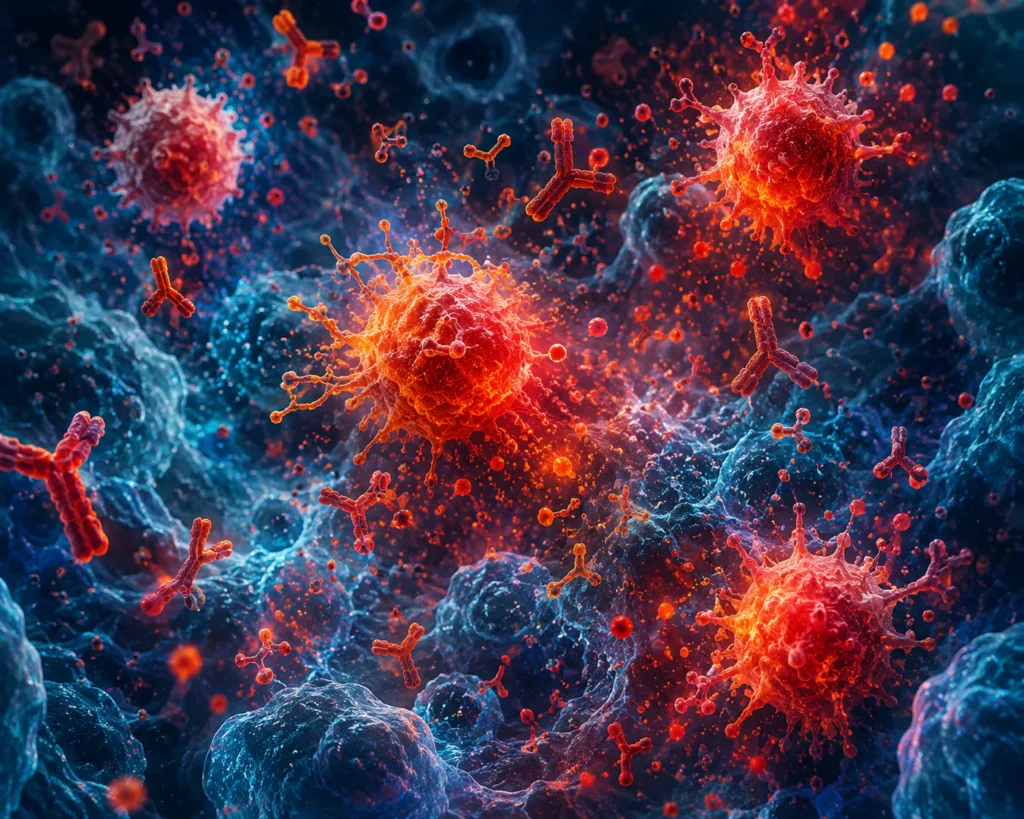
Normally, the immune system maintains tolerance, a state where it attacks pathogens and damaged cells whilst leaving healthy tissue alone. PTSD disrupts this tolerance through several mechanisms. Regulatory T cells, which act as immune peacekeepers, become depleted or dysfunctional. Meanwhile, autoreactive B cells and T cells, those primed to attack the body’s own tissues, escape suppression and proliferate unchecked.
Chronic stress fundamentally alters immune tolerance mechanisms, creating conditions where autoimmune diseases can take root. The longer trauma remains unprocessed, the more entrenched these immune changes become.
Infection Susceptibility and Delayed Recovery
Beyond autoimmunity, PTSD-related immune dysregulation leaves people vulnerable to infections. The immune system’s ability to mount effective responses to viruses and bacteria becomes compromised. Wound healing slows. Recovery from illness takes longer. Some people with PTSD experience recurrent infections or unusually severe responses to common pathogens.
This dual vulnerability increased autoimmune activation alongside impaired infection defence, reflects a fundamentally confused immune state. The system simultaneously overreacts to harmless stimuli whilst underperforming against genuine threats.
Practical Implications for Healthcare
If you have PTSD, screening for autoimmune conditions becomes clinically prudent. Routine blood work should include inflammatory markers and autoantibody panels, particularly if you develop unexplained joint pain, persistent fatigue, or gastrointestinal symptoms. Early detection of autoimmune disease allows for earlier intervention and better long-term outcomes.
Conversely, if you’ve been diagnosed with an autoimmune condition, exploring whether unprocessed trauma underlies or exacerbates your symptoms is worthwhile. Addressing the trauma component may help stabilise immune function and improve overall disease management.
Moving Forward
The immune dysregulation accompanying PTSD represents a genuine biological cost of trauma. It’s not something to dismiss as psychosomatic or purely psychological. The National Institute of Mental Health recognises PTSD as involving measurable biological changes that extend far beyond mood and cognition. Treating PTSD becomes, in part, an act of immune system restoration.
Understanding this connection empowers both patients and clinicians to recognise the full scope of trauma’s impact and to address not just the psychological dimensions of PTSD but the immunological ones as well.