Living with PTSD or CPTSD can feel overwhelming, with symptoms like anxiety, flashbacks, and mood swings disrupting daily life. But what if something as simple as your diet could make a difference? Research shows that what you eat affects not just your body, but your mind too. This happens through the gut-brain axis – a two-way communication system between your digestive system and your brain. For trauma survivors, nurturing this connection might help regulate emotions and lessen symptoms.
Think of the gut-brain axis like a busy highway where signals travel back and forth. Your gut microbiome, made up of trillions of bacteria, plays a key role here. When it’s out of balance, it can heighten stress responses. A diet rich in certain foods can restore that balance, offering a gentle, supportive approach to mental wellness. Let’s dive into how the Mediterranean diet fits into this picture.
Understanding the Gut-Brain Axis in PTSD
The gut-brain axis links your digestive health directly to your emotional state. In PTSD, chronic stress can disrupt this axis, leading to inflammation and altered neurotransmitter levels. For example, high stress might reduce beneficial gut bacteria, which in turn affects serotonin production – a chemical that helps stabilise mood.
Studies indicate that people with PTSD often have less diverse gut microbiomes. This imbalance can worsen symptoms like irritability or sleep issues. But positive changes, such as eating foods that promote healthy bacteria, can help. It’s not about a quick fix; it’s about building resilience over time. If you’ve noticed that certain meals leave you feeling calmer or more energised, that’s the axis at work.
To learn more about PTSD basics, check out this overview from a trusted source: Post-traumatic stress disorder symptoms and causes. It explains how stress alters brain chemistry, tying into why nutrition matters.
Benefits of the Mediterranean Diet for Trauma Recovery
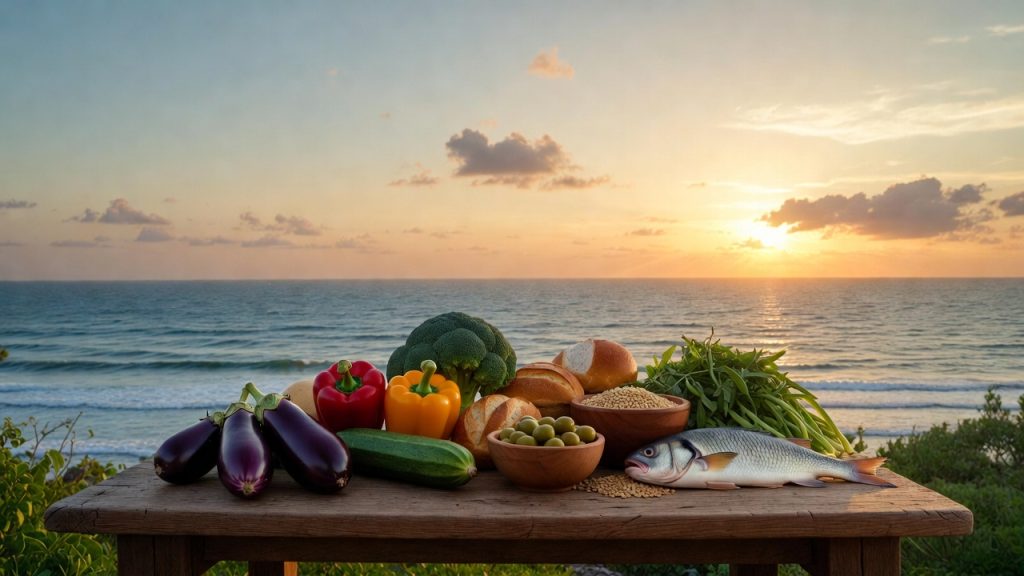
The Mediterranean diet emphasises whole foods like fruits, vegetables, whole grains, fish, nuts, and olive oil. It’s not restrictive; it’s about abundance and variety. Research links this eating pattern to lower PTSD symptoms by supporting the gut-brain axis.
One key benefit is reduced inflammation. Trauma can trigger ongoing inflammation in the body and brain, fuelling anxiety. Foods in this diet, rich in omega-3 fatty acids from fish and antioxidants from berries, help calm that response. For instance, a study found that people following a Mediterranean-style diet had fewer PTSD signs, thanks to improved gut microbiome diversity.
Another advantage is better emotional regulation. The diet promotes probiotics through fermented foods like yoghurt, which boost beneficial bacteria. These bacteria produce compounds that influence brain signals, potentially easing hypervigilance. Imagine your gut as a garden – the right nutrients help good plants thrive, crowding out the weeds that contribute to distress.
Practical examples show this in action. A trauma survivor might find that swapping processed snacks for a handful of nuts reduces afternoon irritability. Or adding leafy greens to meals could improve sleep quality over weeks. These small shifts add up, creating a more stable foundation for healing.
Foods to Include and Why They Help
To make this actionable, focus on incorporating these Mediterranean staples. Each supports the gut-brain axis in specific ways:
- Fruits and vegetables: Aim for five servings a day. Berries, tomatoes, and spinach provide fibre that feeds gut bacteria, aiding serotonin production. Fibre also helps stabilise blood sugar, preventing mood crashes common in PTSD.
- Whole grains: Oats, barley, or quinoa offer complex carbs that release energy slowly. This sustains focus and reduces fatigue, which can trigger symptoms.
- Healthy fats: Olive oil and avocados contain monounsaturated fats that fight inflammation. Nuts like almonds add magnesium, a mineral that calms the nervous system.
- Lean proteins: Fish such as salmon is packed with omega-3s, which studies show can lower anxiety. Legumes like chickpeas provide plant-based protein and prebiotics for gut health.
- Fermented foods: Yoghurt or kefir introduce probiotics. Even small amounts can enhance microbiome diversity, linked to better stress resilience.
Avoid overdoing caffeine or sugar, as they can spike adrenaline and mimic PTSD arousal. Instead, hydrate with water or herbal teas for steady calm.
Many people share their experiences with nutrition in online forums, like this thread discussing nutrition and food effects on PTSD symptoms. It’s reassuring to see how others have found relief through similar changes.
Practical Tips for Adopting This Diet
Starting a new eating habit doesn’t have to be daunting. Begin small to build momentum. For example, swap your usual breakfast for Greek yoghurt topped with berries and nuts. This simple meal nourishes your gut while providing sustained energy.
Plan meals ahead to avoid stress. Batch-cook vegetable stews or salads for easy access during busy days. Involve family or friends – sharing meals can strengthen social bonds, which support mental health.
Track how you feel after eating. Keep a journal noting mood changes. If anxiety dips after a fish-based dinner, that’s a win. Over time, this awareness helps you tailor the diet to your needs.
Challenges might arise, like cravings for comfort foods. Acknowledge them without judgement; they’re part of recovery. Replace them gradually with Mediterranean alternatives, like dark chocolate instead of sweets.
For deeper insights into how diet impacts mental well-being, read this article on what you eat can affect your overall mental health. It highlights the role of whole foods in reducing stress.
Combining Diet with Other Supports
Diet is powerful, but it’s one piece of the puzzle. Pair it with therapy, exercise, or mindfulness for best results. Walking after meals can enhance digestion and clear your mind, reinforcing the gut-brain link.
If symptoms persist, consult a healthcare professional. They might suggest supplements like omega-3s if your diet lacks them. Remember, progress takes patience – celebrate small improvements, like feeling less on edge.
Evidence supports this approach. For more on food’s role in mental health, explore food, drink and mental health. It offers tips on balanced eating for wellbeing.
In summary, the Mediterranean diet offers a compassionate way to support your gut-brain axis and ease PTSD burdens. By choosing nourishing foods, you’re investing in a calmer, more resilient you. Give it a try – your mind and body will thank you.