
Pioglitazone: More Than Just a Diabetes Med
When we think of medications for post-traumatic stress disorder (PTSD), antidepressants and anti-anxiety drugs often come to mind first. But researchers are looking at unexpected places for new options. Pioglitazone, a common prescription for type 2 diabetes, is gaining attention for its potential role in PTSD care.
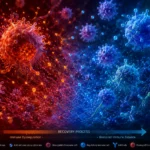
This drug belongs to a class called thiazolidinediones. It activates PPAR-gamma receptors, which help regulate inflammation and metabolism. In PTSD, ongoing low-grade inflammation in the brain might worsen symptoms. Pioglitazone could calm that process, offering relief where standard treatments fall short.
A double-blind study tested pioglitazone in unmedicated patients with chronic PTSD. Participants took 45mg daily for 10 weeks. Results showed notable drops in symptom severity compared to placebo. It’s early days, but this proof-of-concept trial sparks hope.
How Does It Work in the Brain?
PTSD involves complex changes in brain areas like the amygdala and hippocampus. Stress hormones and immune responses can fuel a cycle of distress. Pioglitazone crosses the blood-brain barrier. It reduces pro-inflammatory cytokines and boosts protective factors.
Animal studies back this up. They show pioglitazone lessens fear responses after stress exposure. In humans, it might help stabilise mood and cognition without the sedation of some other meds.
Doctors see it as an adjunct. Pairing it with SSRIs or therapy could enhance outcomes for those not fully responding to first-line treatments.
Clinical Evidence and Ongoing Research
Beyond the initial trial, smaller open-label studies report similar benefits. Patients noted better daily functioning and fewer intrusive thoughts. Side effects were mild, like weight gain or fluid retention – familiar to diabetes users.
A follow-up analysis highlighted its safety profile in psychiatric populations. No serious adverse events linked to PTSD use. Researchers now explore optimal dosing and long-term effects.
Clinical trials continue. One focuses on veterans, where PTSD rates are high. Combining pioglitazone with exposure-based therapy might speed up progress.
Who Might Benefit Most?
Not everyone needs pioglitazone. It’s best for those with treatment-resistant symptoms or signs of metabolic issues alongside PTSD. If you have insulin resistance or family history of diabetes, it could fit well.
- People with chronic PTSD unresponsive to SSRIs
- Those with comorbid depression or anxiety
- Individuals open to off-label prescribing
Talk to your doctor. They can check blood sugar and liver function before starting. Monitoring helps manage risks.
Potential Drawbacks and Considerations
Like any med, pioglitazone has cons. Weight gain affects about 5-10% of users. Heart failure risk is low but real in vulnerable folks. Regular check-ups keep things safe.
It’s not FDA-approved for PTSD yet. Availability depends on your country – in Australia, it’s PBS-listed for diabetes, so off-label use needs justification.
Interactions matter. Avoid with certain heart meds or if pregnant. Women should discuss contraception, as it can affect ovulation.
Looking Ahead: Hope on the Horizon
Pioglitazone represents drug repurposing at its best. Taking approved meds into new areas speeds up help for PTSD sufferers. More trials will clarify its place in guidelines.
Meanwhile, lifestyle tweaks amplify benefits. A balanced diet and movement support its metabolic actions. Stay connected with support networks too.
For deeper insights into adjunct medications, check out personal stories from the community.
If pioglitazone intrigues you, chat with a psychiatrist experienced in PTSD. New paths to wellness often start with one conversation.
Final Thoughts
Recovery from PTSD is personal. Pharmaceuticals like pioglitazone add tools to the kit. Backed by science, they offer real potential without hype. Keep learning, keep advocating for yourself.