
When Trauma Lives in the Body’s Chemistry
Most people understand PTSD as a psychological condition. What gets far less attention is what it does to your immune system. Researchers have found that people living with PTSD carry measurably higher levels of inflammatory proteins in their blood, and that this low-grade, chronic inflammation may be one of the most consequential side effects of the condition. It is not dramatic or immediately visible, but over years it quietly raises the risk of serious physical illness.
This is not a fringe idea. It is backed by a growing body of biological research, and it matters for anyone trying to understand why trauma survivors so often struggle with physical health problems that seem unrelated to their original experience.
What Are Cytokines and Why Do They Matter?
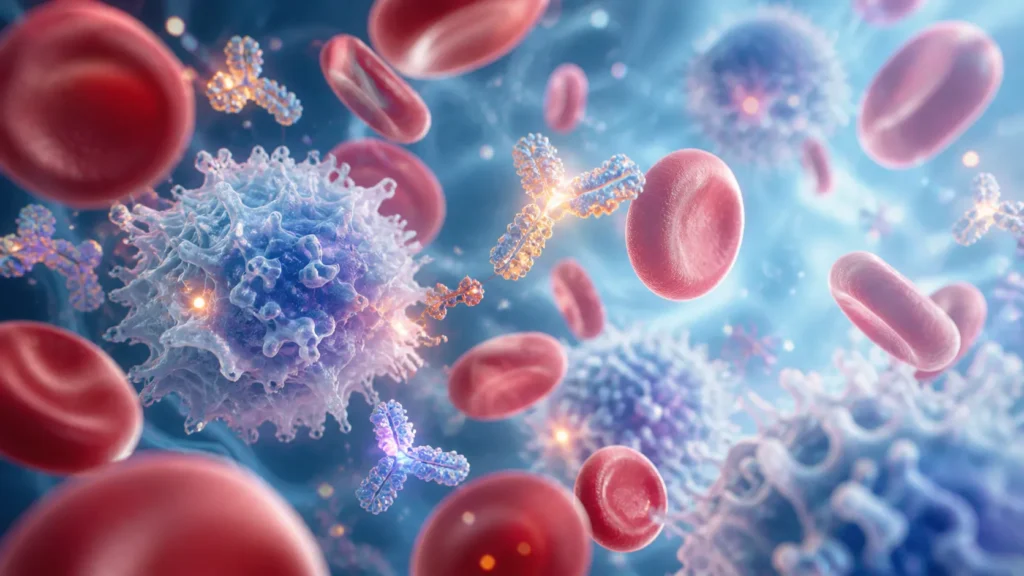
Cytokines are small proteins your immune system uses to communicate. Some are pro-inflammatory, meaning they ramp up immune activity to fight infection or injury. Others are anti-inflammatory, helping to calm the response once the threat has passed. In a healthy immune system, these two forces stay roughly balanced.
In PTSD, that balance shifts. Research examining inflammatory markers in PTSD has consistently found elevated levels of pro-inflammatory cytokines, including interleukin-6 (IL-6), tumour necrosis factor-alpha (TNF-alpha), and C-reactive protein (CRP). These are the same markers associated with cardiovascular disease, type 2 diabetes, and autoimmune conditions. The immune system, it seems, gets stuck in a low-level alert state that mirrors what the mind is experiencing.
Why Does PTSD Trigger This Response?
The connection runs through the body’s stress response architecture. When a person experiences trauma, the hypothalamic-pituitary-adrenal (HPA) axis, which governs the release of stress hormones like cortisol, goes into overdrive. Cortisol normally acts as a brake on inflammation. But in chronic PTSD, the HPA axis becomes dysregulated, and immune cells can grow less sensitive to cortisol’s anti-inflammatory signals over time.
The result is a kind of immune system that keeps sending out inflammatory signals without an effective off-switch. Studies on glucocorticoid receptor sensitivity in trauma survivors suggest this reduced responsiveness to cortisol is a key mechanism behind the elevated cytokine levels seen in PTSD populations. It is a biological feedback loop, not a personal failing.
The Physical Health Consequences
Elevated cytokines do not stay abstract. Over months and years, chronic low-grade inflammation contributes to real, measurable health risks. Trauma survivors with PTSD show higher rates of:
- Cardiovascular disease, including hypertension and increased risk of heart attack
- Metabolic conditions such as insulin resistance and type 2 diabetes
- Autoimmune disorders, where the immune system begins attacking the body’s own tissue
- Accelerated cellular ageing, reflected in shorter telomere length in some studies
- Chronic pain conditions with an inflammatory component, including fibromyalgia
People navigating these kinds of physical symptoms alongside a PTSD diagnosis, as described in accounts like those from people newly understanding their complex trauma, often report feeling dismissed by medical professionals who treat each physical complaint in isolation. Understanding the immune connection helps explain why these conditions cluster together.
Does Treating PTSD Reduce Inflammation?
This is one of the more hopeful areas of current research. There is preliminary evidence that effective PTSD treatment, particularly trauma-focused psychotherapy, is associated with reductions in inflammatory markers. The National Institute of Mental Health’s overview of PTSD highlights the importance of evidence-based treatment, and researchers are now beginning to track whether symptom improvement correlates with normalising cytokine levels.
The answer appears to be: sometimes, yes. But the relationship is not perfectly linear. Some individuals show persistent inflammatory elevation even after psychological symptoms improve, which suggests the immune changes may partly take on a life of their own once established. This is a reason why physical health monitoring matters for people in PTSD recovery, not just mental health support.
What This Means Practically
If you have been living with PTSD for a significant period, it is worth having a conversation with your GP about cardiovascular risk factors, metabolic health, and general inflammatory markers. This is not alarmist. It is about treating the whole person, not just the psychological presentation.
Anti-inflammatory lifestyle factors, including consistent physical activity, a diet rich in omega-3 fatty acids and polyphenols, and minimising alcohol, are supported by evidence as complementary supports. None of these replace trauma-focused care, but they address a biological dimension of PTSD that often goes completely unacknowledged in treatment planning.
Understanding PTSD as a condition with genuine immune consequences reframes it as a whole-body experience. That framing is not meant to be frightening. It is meant to be validating, and to open doors to more complete, informed care.