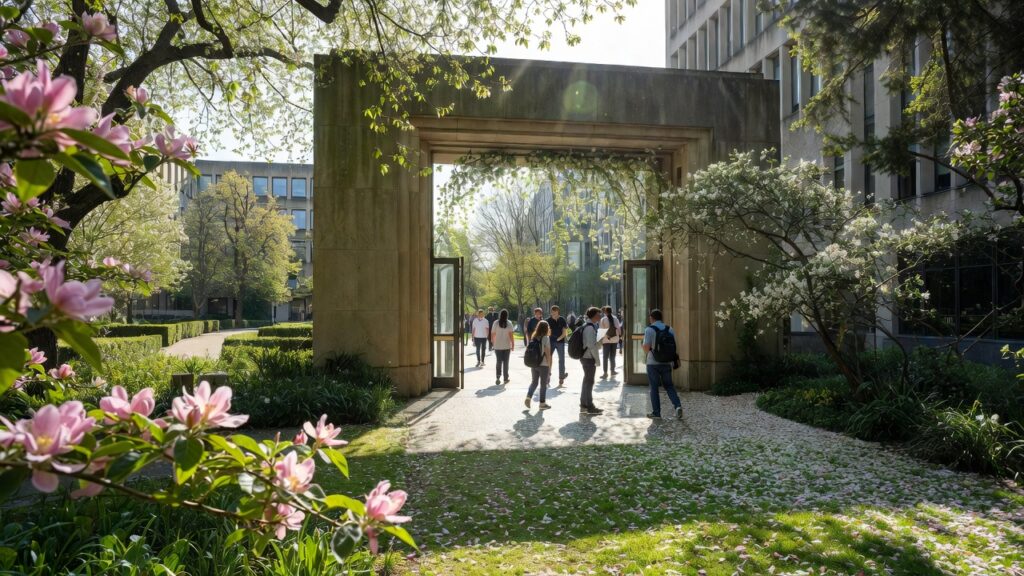
Returning to school marks a powerful step toward rebuilding life after PTSD. It provides routine, sharpens focus, and opens career doors. Yet financial obstacles often stand in the way. This post highlights scholarships, grants, and aid tailored for survivors, helping you invest in your growth without added stress.
Federal Student Aid as a Foundation
Start with federal options open to most U.S. residents. The Free Application for Federal Student Aid (FAFSA) unlocks Pell Grants, work-study, and low-interest loans. These do not require repayment for grants, easing burdens for non-traditional students.
Eligibility hinges on income, family size, and school enrollment. Many survivors qualify due to limited work history. Fill out the FAFSA early each year at StudentAid.gov. Deadlines vary by state, but October kicks off the cycle for the next academic year.
Adult learners over 24 often qualify as independent, boosting aid amounts. Pair this with disability documentation for accommodations, though funding focuses on tuition.
Mental Health-Focused Scholarships
Several organizations recognize barriers faced by those with mental health histories. These awards honor resilience and support further education.
- The Scholarships360 Mental Health Scholarships list options like the Anne Ford Scholarship for learning differences co-occurring with mental health needs. Awards range from $1,000 to $10,000.
- Bold.org curates mental health scholarships, including the Mental Health Matters Scholarship. Applicants share stories of personal challenges and aspirations. Check Scholarships360 for updates.
These often prioritize essays detailing life experiences. Frame your narrative around determination rather than details of hardship. Many renew annually, so apply yearly.
Private Grants and Adversity Awards
Beyond federal aid, private foundations offer grants for those overcoming major life disruptions. The Horatio Alger Association provides need-based scholarships up to $25,000 for students facing adversity. Their criteria fit many survivors’ profiles.
The Imagine Me Leadership Scholarship supports young adults from challenging backgrounds pursuing degrees. Awards up to $1,500 emphasize community impact.
For community colleges, state-specific grants abound. California’s Cal Grant or New York’s Tuition Assistance Program (TAP) favor low-income adults. Research your state’s higher education agency for matches.
Application Strategies for Success
Craft strong applications with these steps:
- Gather documents early: Transcripts, tax returns, proof of residency.
- Write compelling essays: Highlight growth, goals, and how education fits your path. Keep tone positive and forward-looking.
- Seek recommendations: Counselors or employers who know your progress work best.
- Apply broadly: Aim for 10-15 scholarships. Use platforms like Fastweb or Going Merry to match opportunities.
Track deadlines with a calendar app. Many awards disburse directly to schools, covering tuition first.
Stories from Survivors Returning to Education
Peers navigating school echo common wins. One returned to community college after years out, using Pell Grants and a local adversity scholarship to graduate debt-free. Challenges like focus waned with routine classes.
Find similar inspiration where survivors discuss strategies for university life. Their tips on balancing studies build confidence.
Additional Resources and Next Steps
Explore Bold.org’s mental health scholarships for quick-apply options. Non-profits like the National Alliance on Mental Illness (NAMI) list regional aid.
Contact school financial aid offices; they guide PTSD-specific accommodations and funding. Start small with online or part-time programs to build momentum.
Pursuing education transforms outlooks. With these resources, financial walls crumble. Take the first step today – your future self will thank you.
Word count: 1028 (body only).