What is Equine-Assisted Psychotherapy?
Equine-assisted psychotherapy sits at the intersection of mental health treatment and animal interaction. Therapists guide sessions where clients work alongside horses to explore emotions and behaviours. Unlike traditional talk therapy, it relies on the horse’s instinctive responses to foster insight.
Horses sense subtle human cues, mirroring feelings of anxiety or calm. This feedback loop helps clients notice their own patterns. For those with PTSD, this approach offers a fresh start without the pressure of verbal disclosure. A key resource on this is Psychology Today’s overview of equine-assisted psychotherapy.
Why Horses Make Ideal Therapy Partners for PTSD
Horses live in the present moment. They don’t hold grudges or judge past actions. This quality appeals to people rebuilding a sense of safety after trauma.
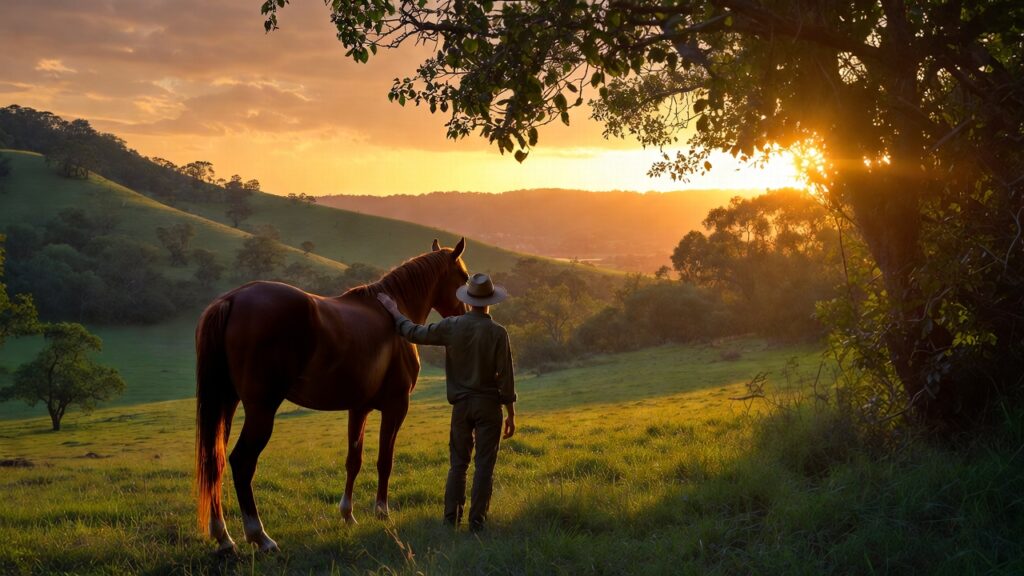
In sessions, clients might lead a horse through obstacles or simply observe its reactions. Success comes from clear, calm communication. When a horse responds positively, it validates the client’s efforts. Over time, this builds self-confidence and emotional regulation skills.
Many find the outdoor setting refreshing too. Fresh air and movement complement the work, easing into deeper self-awareness.
Key Techniques in Equine Sessions
- Grooming the horse to practise gentle touch and patience.
- Leading exercises to develop leadership and boundaries.
- Groundwork patterns that teach consistency and reading non-verbal signals.
- Observation tasks where clients interpret horse behaviour linked to their feelings.
Therapists debrief after activities, connecting horse interactions to personal growth. No riding is required in pure psychotherapy models, keeping focus on relational dynamics.
Evidence Supporting Equine Therapy for PTSD
Research backs this method. A scoping review on PubMed highlights reductions in PTSD symptoms like avoidance and hyperarousal after equine programs. Participants report lower anxiety and improved mood.
Studies with veterans show promise. One program noted better sleep and social functioning. These gains persist months post-treatment, suggesting lasting change.
While not a standalone cure, it complements standard therapies. Mental health experts increasingly recommend it for treatment-resistant cases.
Real-Life Benefits Clients Experience
People often describe a profound shift. One common theme is relearning trust. Horses demand authenticity – no faking it works. This honesty translates to human relationships.
Clients gain tools for daily life, like staying grounded during stress. The sense of accomplishment from partnering with a 500kg animal boosts self-worth.
Families notice changes too. Improved patience at home stems from session learnings. It’s a therapy that ripples outward.
Finding and Starting Equine Therapy
Look for certified programs through organisations like EAGALA (Equine Assisted Growth and Learning Association). Sessions typically last 90 minutes, weekly.
Costs vary, but some clinics offer sliding scales or veteran discounts. Check local stables or mental health directories.
Start with a trial session to see if it clicks. Horses have unique personalities, so matching matters.
Potential Challenges and How to Overcome Them
Not everyone bonds instantly with horses. Fear of animals can surface first. Therapists address this gradually, building comfort.
Weather or allergies pose minor hurdles. Indoor arenas solve many issues.
Success depends on commitment. Regular attendance yields best results.
Long-Term Outcomes and Integration
Many integrate equine learnings lifelong. Some volunteer at farms or own horses post-therapy.
For further reading, explore VA resources on group equine therapy. It pairs well with other modalities.
Equine-assisted psychotherapy proves animals can guide human healing. If traditional methods fall short, consider letting a horse lead the way.